
Member Services



















The ABCST Hub
Connect. Grow. Together.
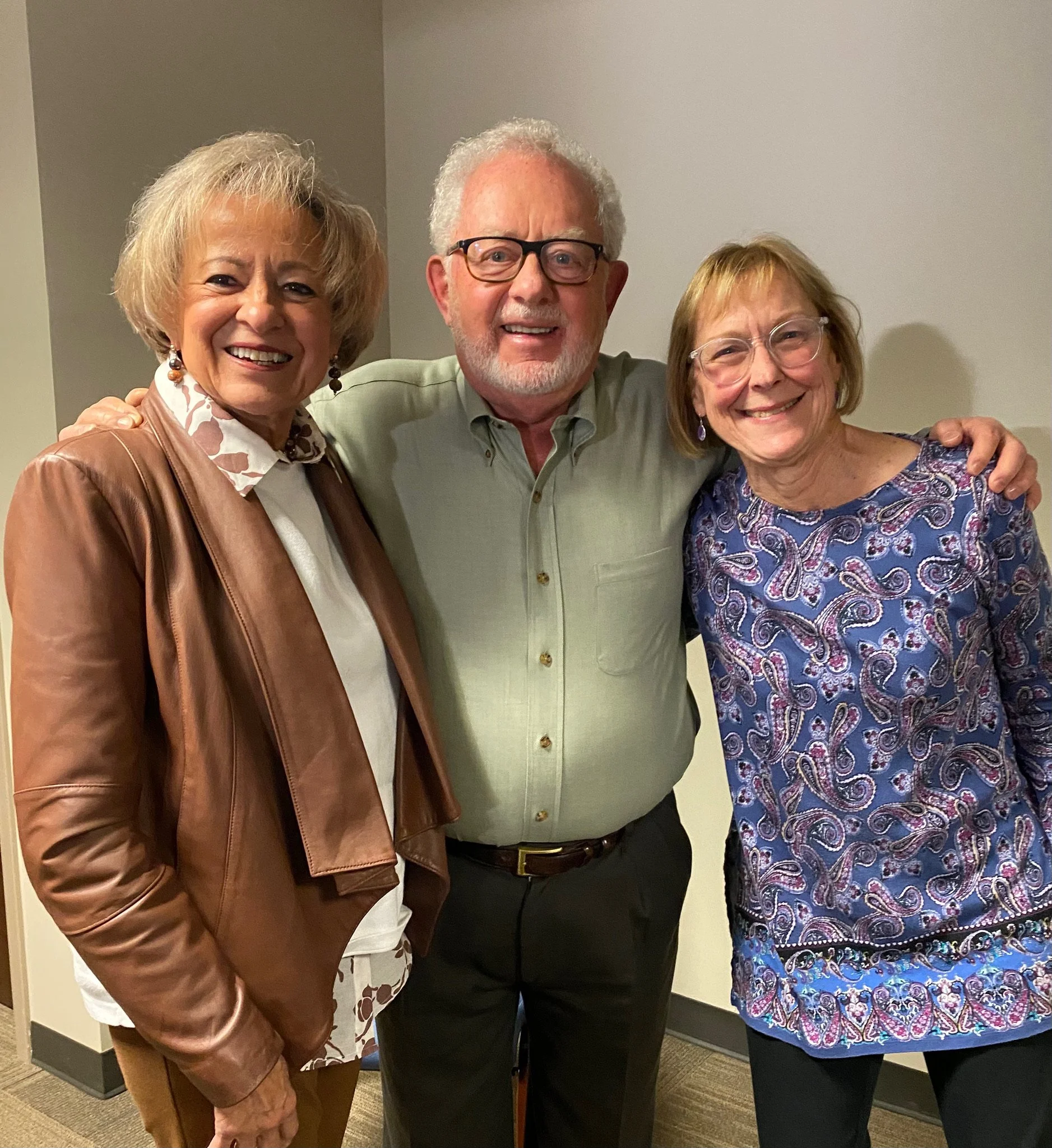
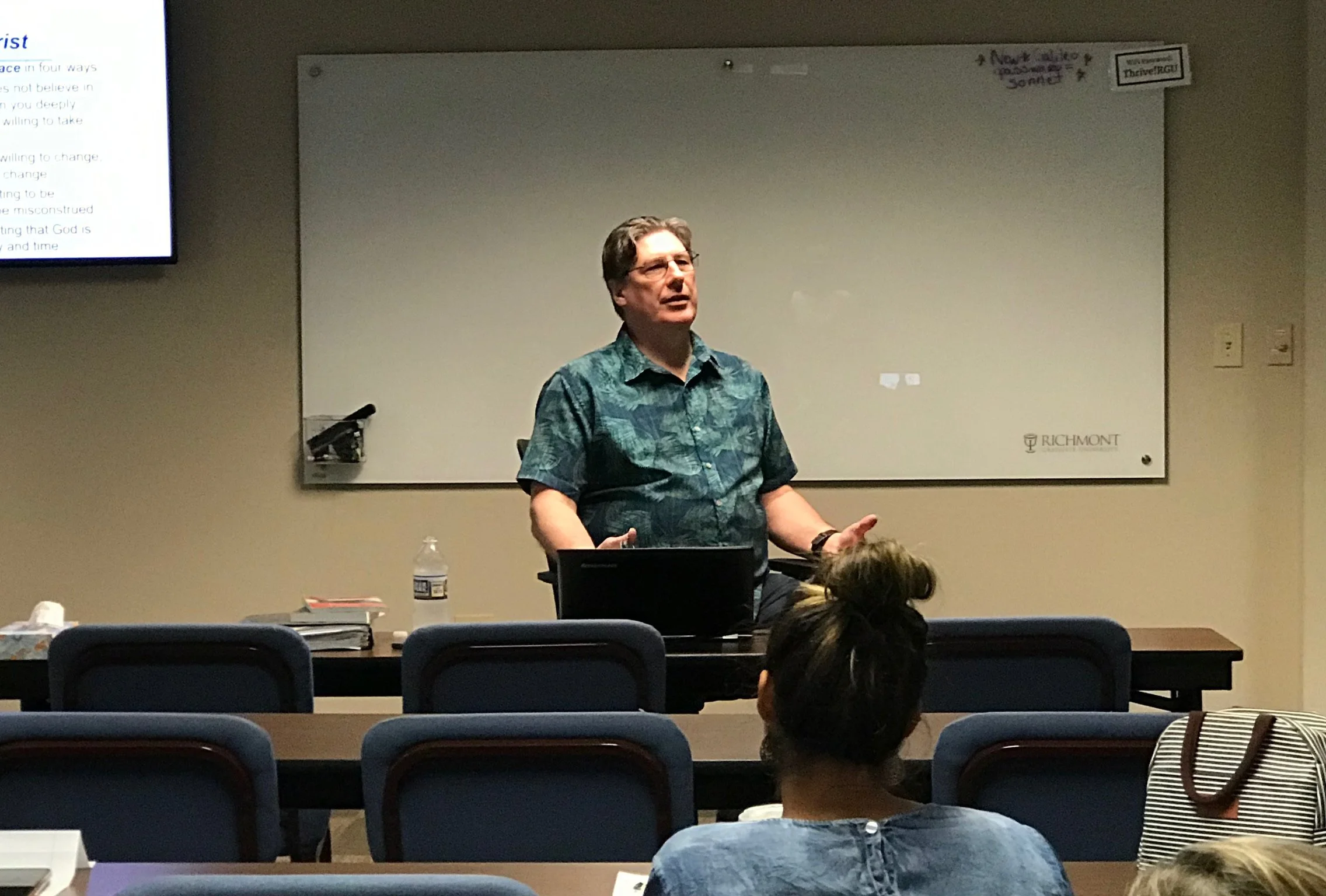
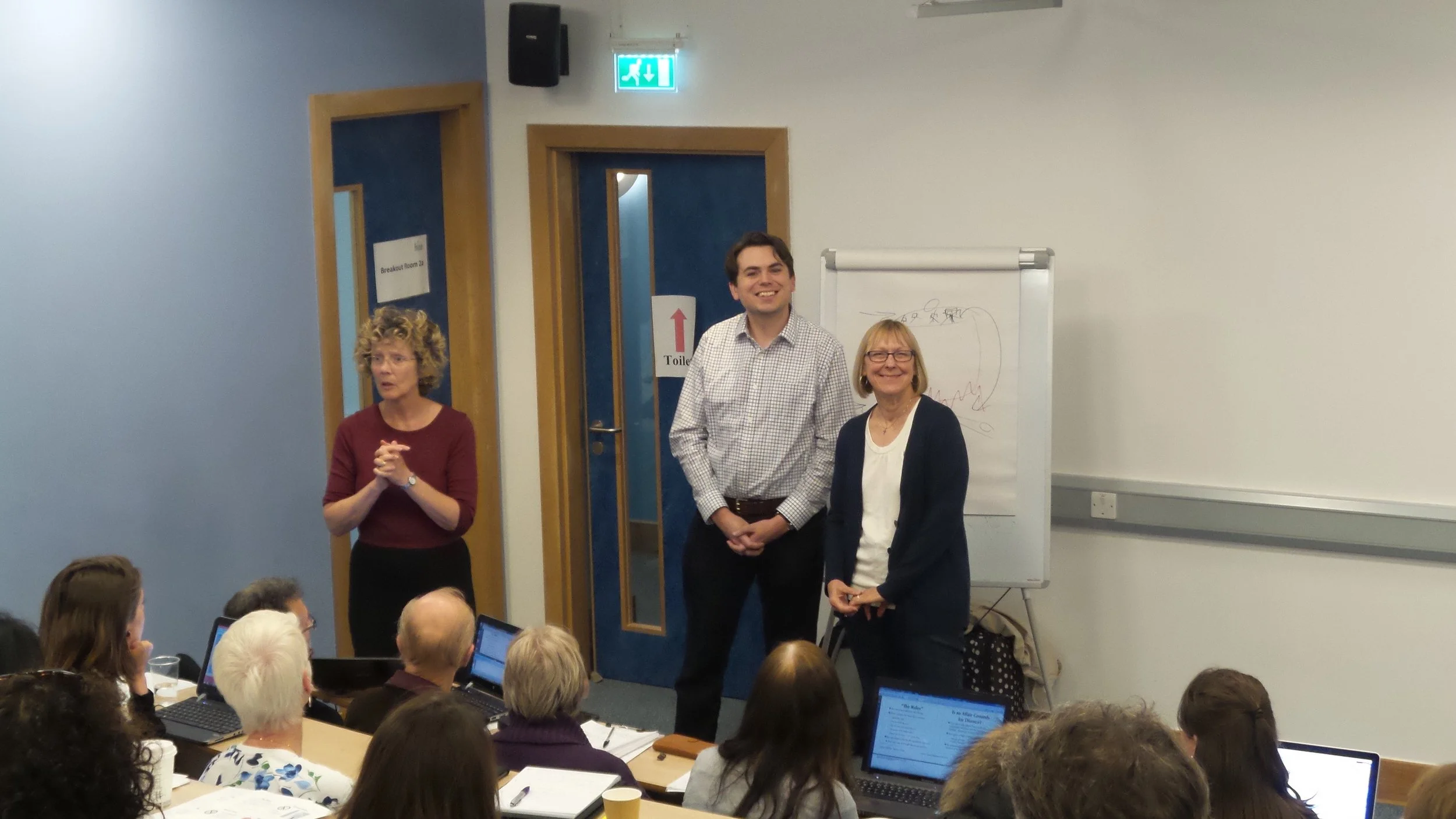
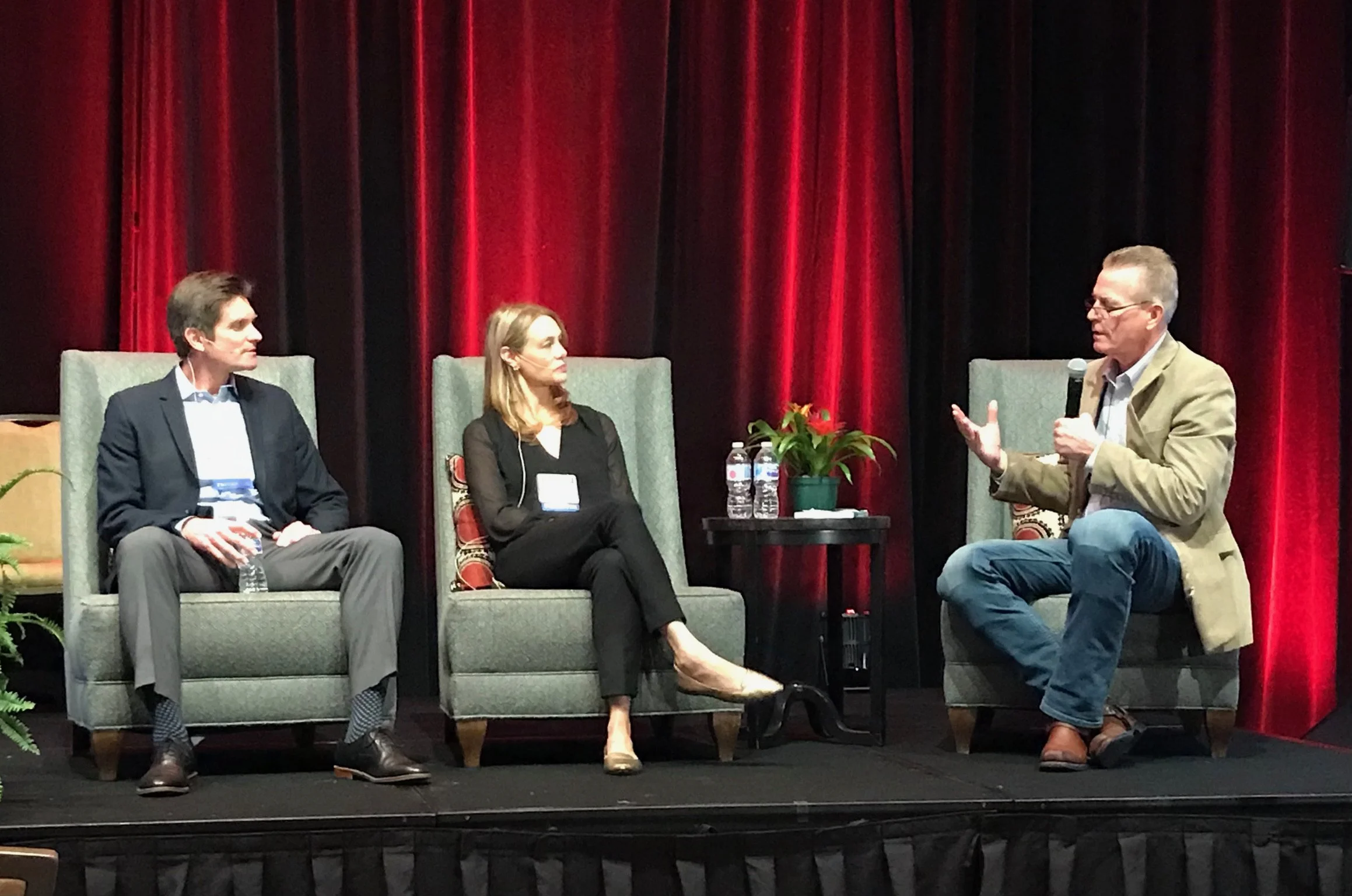





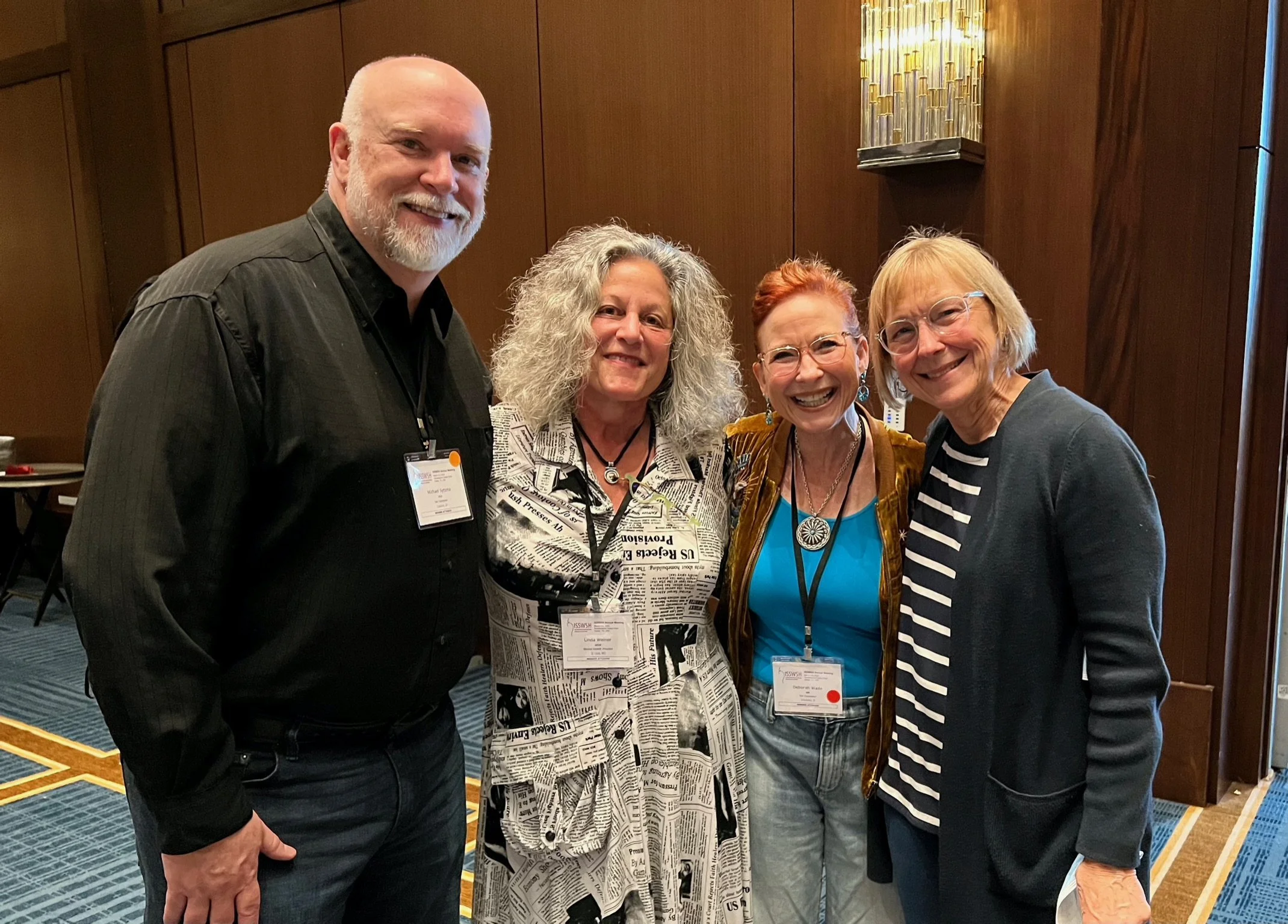
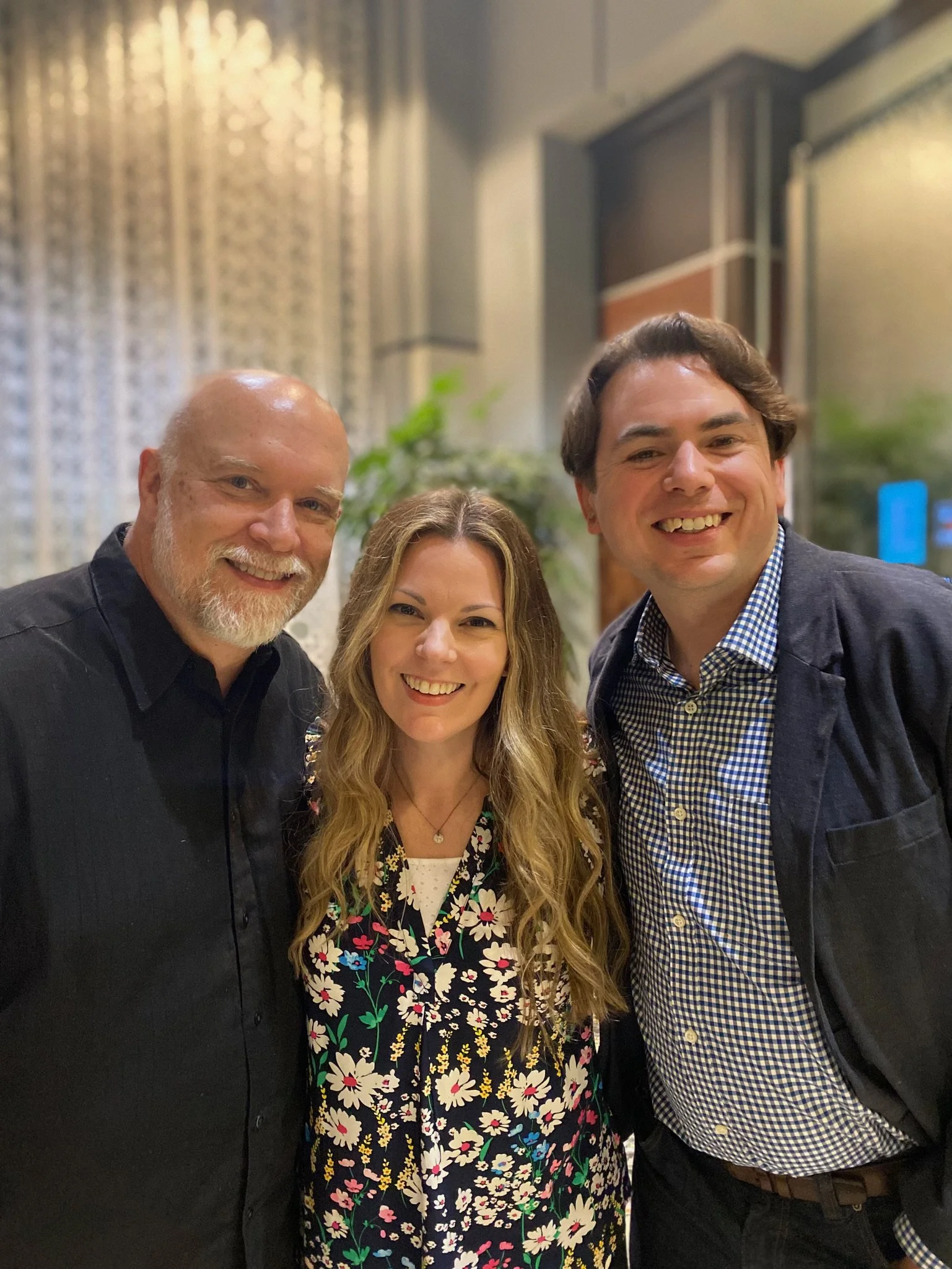

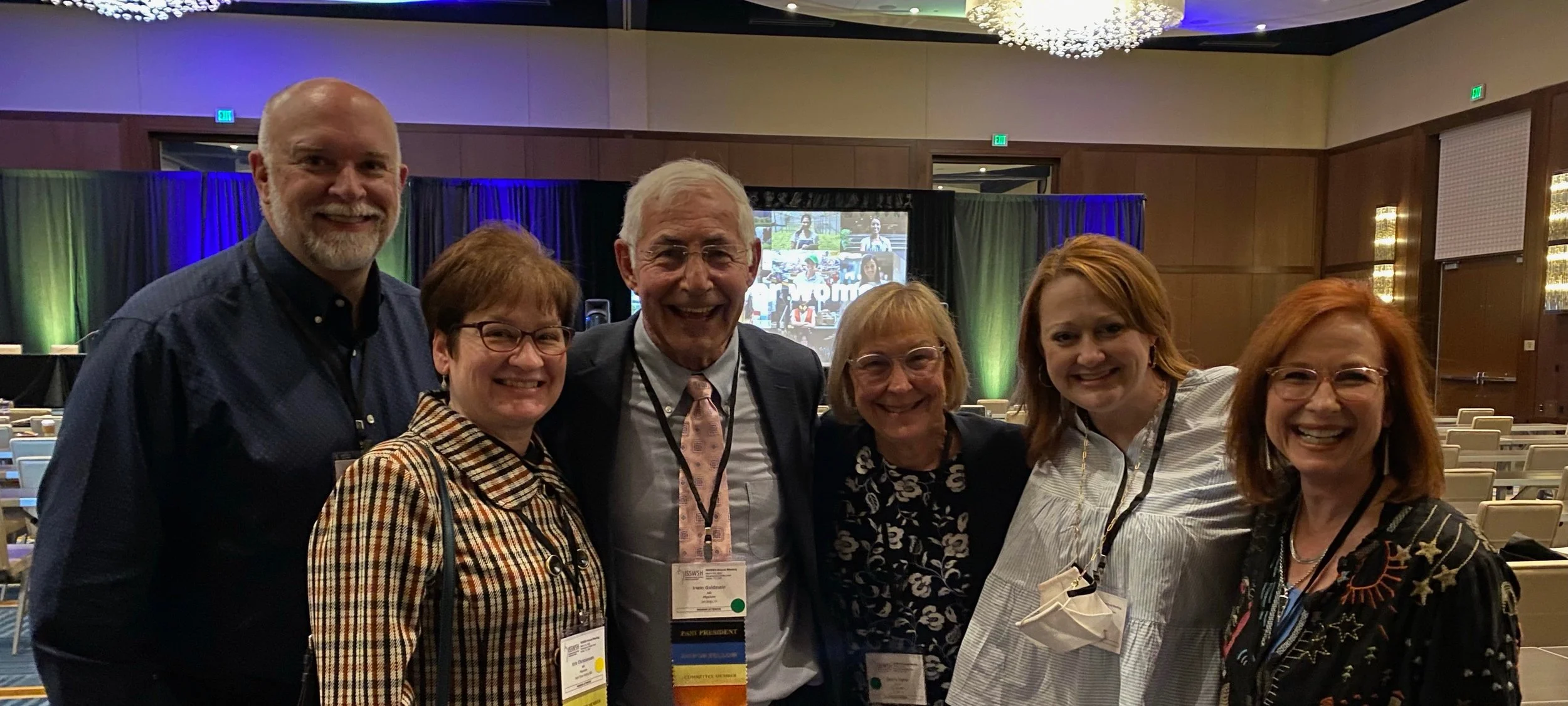
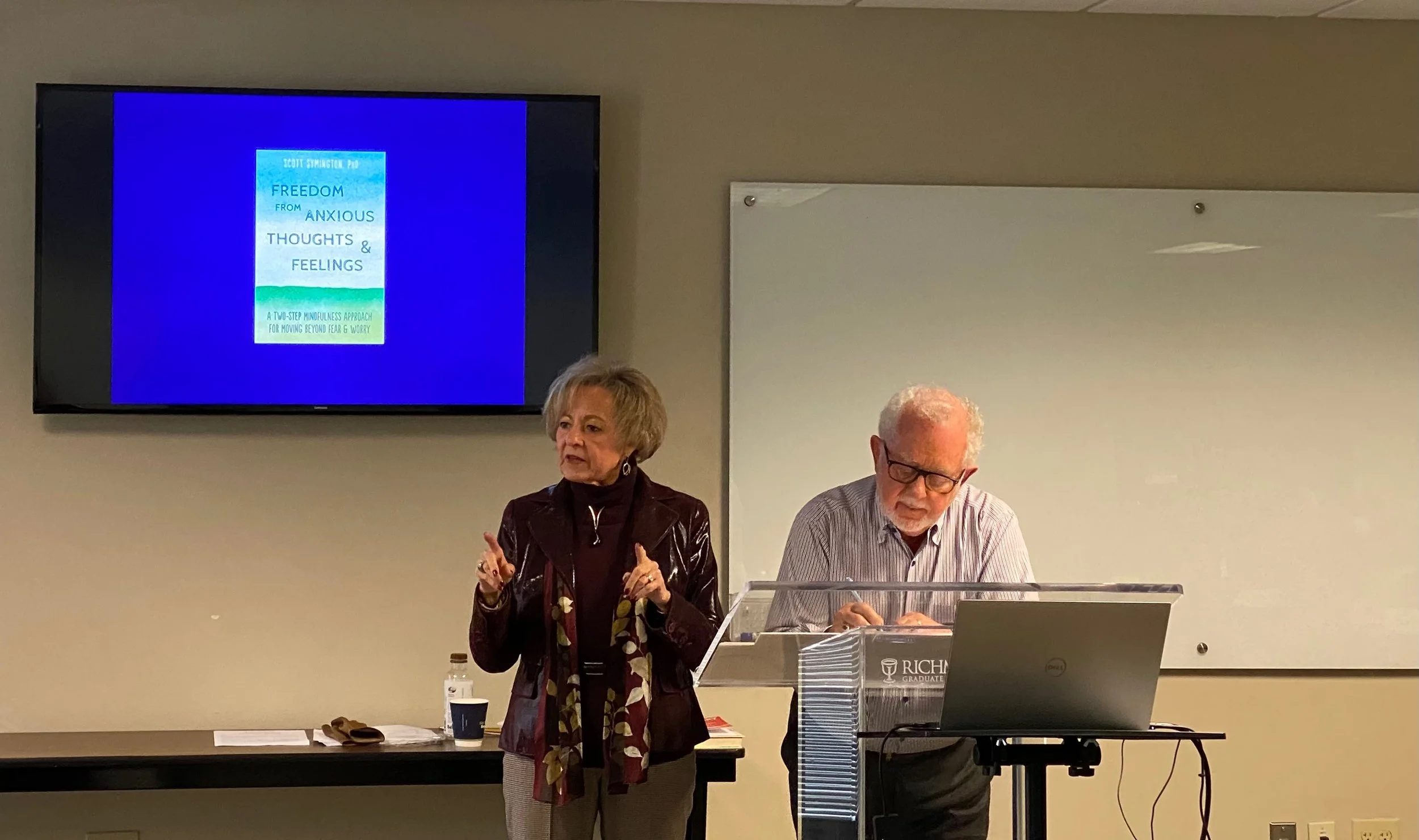
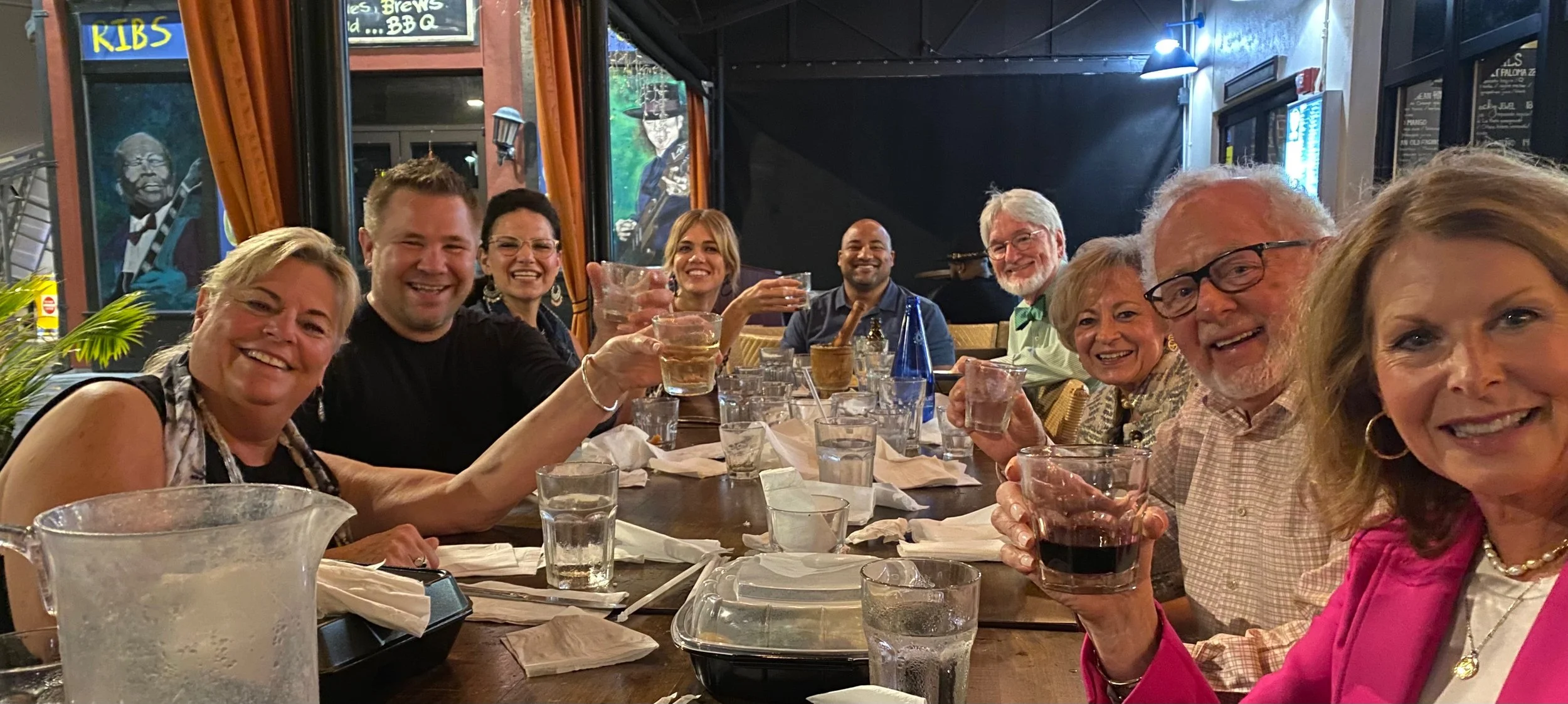
Dr. Debra Taylor and Dr. Kris Christiansen discuss some of the key moments and presentations that stood out to them at ISSWSH 2026.
With both thanksgiving and sadness, the Sexual Wholeness Board of Directors announces the resignation of Dr. Gary Barnes as Director of the Institute for Sexual Wholeness.
We are excited to announce important updates to the Institute for Sexual Wholeness Sex Therapy training program!
NEW ABCST CE Courses, AACC 2025, Community Updates, and Upcoming ISW Courses
Our FIRST CE opportunity is now Live! Check out our new “Magic Mushrooms” for Mood course, CAPS 2025, and Upcoming ISW Spring Courses
This Month:
Merry Christmas!
Looking Forward: Consultation
Upcoming Spring Courses
This Month:
Words of encouragement from our Directors
A community prayer of Thanksgiving, by Dr. Gary Barnes
Please do not hesitate to reach out, introduce yourself, and share your insights with me.
Please review the 2024-2025 ABCST Member Code of Conduct
This Month:
Don’t Miss Advanced Sex Therapy: Trauma and Abuse!
AACC Proposals Due Nov 1
Upcoming Courses
This Month:
Announcing our new ABCST Director
Upcoming Courses
This Month:
Journal Access Update
AACC 2025 Proposals
This Month:
Hope everyone is relaxing
Class Updates
This Month:
ISW Expansion at DTS
ISW and CEU Update
Join us in Nashville!
Many of our Sexual Wholeness family and friends will be in Nashville for the AACC World Conference in September!
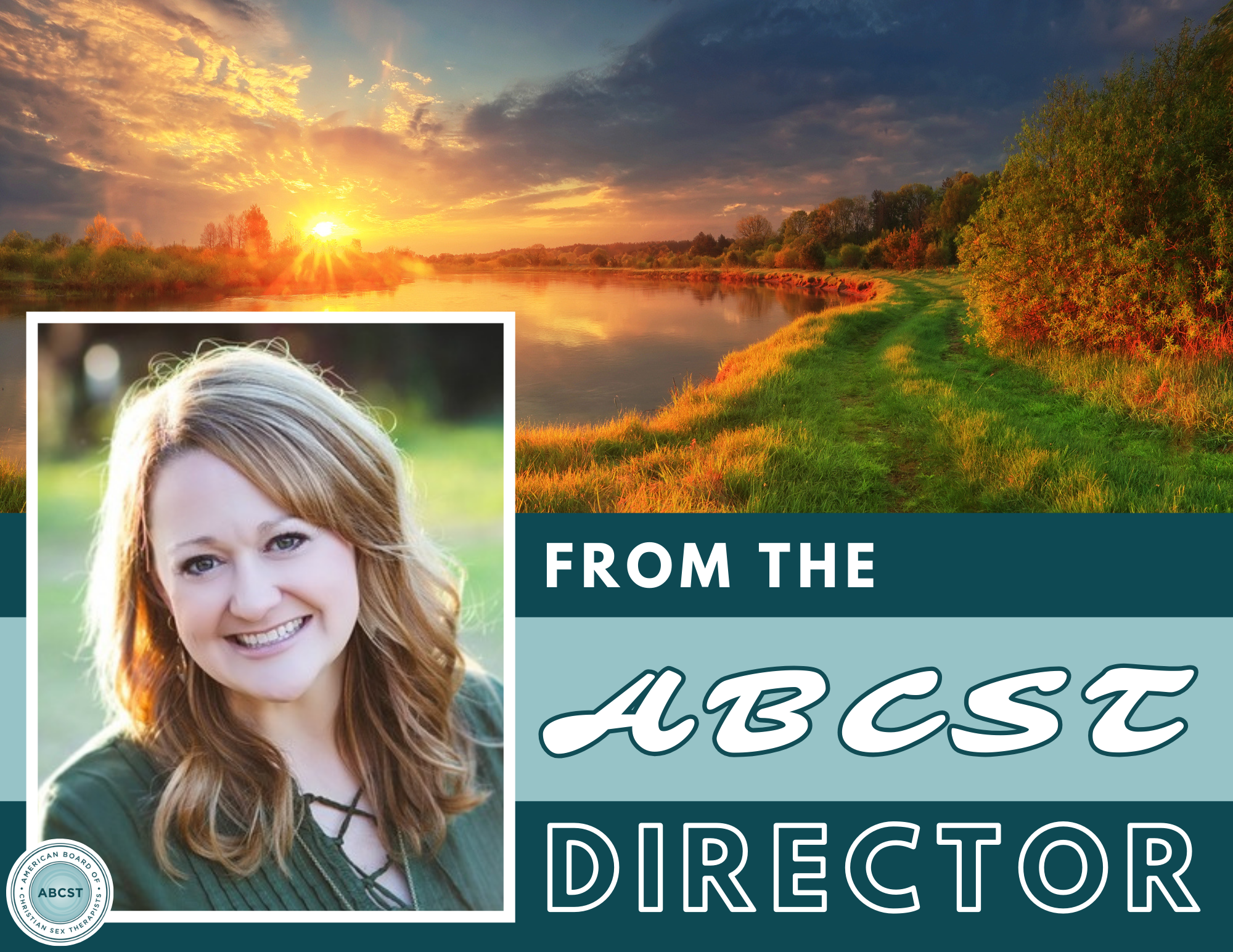
As we head into Fall, Director Debra Taylor gives a brief update on what we have been working on here at Sexual Wholeness.
The things you want, front and center.
Welcome to the ABCST Hub V2!
Current SWI Director Dr. Debra Taylor shares her heart for the organization, the momentous loss of Doug Rosenau, and the path ahead as we push forward into the future.
David Hall shares his thoughts on some benefits of being trained as a Christian Sex Therapist
The ABCST Administration Team unveil the SWI Hub and speak to the implementation Director Debra Taylor’s vision.
Introduction to Human Sexuality and Sex Therapy provides an overview of human sexuality and counseling for sexual concerns. Students explore a theology of sexuality, a model for addressing sexual issues in counseling, the basics of sexual biology and psychology, sexual development, sexual dysfunction, and common intervention techniques for sexual problems.
The course also encourages students to reflect on their own sexual attitudes, beliefs, theology, and development.
This training explores the ethical, legal, professional, and value-related challenges faced by sex therapists, particularly those practicing within Christian or faith-based settings. Topics include professional ethics, relevant legal cases, informed consent, confidentiality, professional boundaries, cultural and value conflicts in sex therapy practice, and examining the integration of one’s Christian identity with the ethical and professional responsibilities of a licensed mental health professional and sex therapist.
The Enneagram is a tool that describes personality and can be used to promote spiritual and personal growth. In psychotherapy, the Enneagram can be a tool to help individuals understand their behavioral patterns. By fostering self-compassion and understanding, users can choose to move away from destructive cycles—such as shame and contempt—toward deeper intimacy with themselves and others. In this CE course, Mary Margaret Johnson teaches the core concepts of the Enneagram and outlines guidelines for the ethical use of this tool in psychotherapy.
Debby Wade presents a brief history of group therapy, highlighting Irvin Yalom’s therapeutic factors in group work. Describing open-ended, closed-ended, in-person and online groups, she discusses how to design a group for women dealing with sexual pain and outlines an eight week closed-ended curriculum participants can use to lead a group for women. Debby’s “Journey of the Courageous” walks participants through education, empowerment, obstacles to growth, emotional healing, shifting beliefs, and reclaiming healthy intimacy. She encourages therapists to offer hope, to stay humble, and to keep the group focus on addressing the pain and increasing intimacy.
Using recent data from the CDC, SAMHSA, and the American Foundation for Suicide Prevention, this evidence-based presentation:
Highlights suicide trends across age, race, and gender.
Provides culturally responsive, trauma-informed, ethically sound practices for suicide prevention and intervention.
Explores the emotional aftermath of suicide, including grief, mourning, and the impact of loss on families and communities.
Challenges Providers to be aware of and manage compassion fatigue, secondary traumatic stress and burnout.
The most common sexual issue brought to couple therapy and sex therapy is discrepancy in sexual desire (frequency, level, initiation). In his recently published study, Dr. Michael Sytsma examines how initiating, receptive, and resistant desire types influence marital satisfaction and happiness.
This CEU course is a one hour overview of the Gottman Model for assessing and treating Affairs in committed couples. Dr. Gary Barnes, with permission from the Gottmans, offers a "flyover" of the key concepts and treatment method offered by the Gottman Institute. For those who have taken the longer Gottman training on Affairs, this is an excellent review of that training.
Neurodiverse relationships face the same challenges common to most couplings, yet also have unique hardships. Learning to recognize brain differences, and how they manifest within relationship dynamics, is key to offering the right kind of therapeutic support.
This 2 course bundle presents neurodivergent lived experience and empirical data to equip therapists to promote individual and relational health within neurodiverse populations.
This session will explore the physiological, psychological, and sexual health changes that occur throughout the menopausal transition. Dr. Christiansen will provide evidence-based insights on hormonal and non-hormonal treatment options and the impact of menopause on sexuality and relationships.
This seminar will address the use of psilocybin as a therapeutic agent and the role of psychological support in the therapeutic effect of psilocybin. It will also address ethical and legal challenges and the path to FDA approval and commercialization of psilocybin and other psychedelics.